How AI solved an open math problem
This was a breakthrough for math, but not really for AI

Read my story about how an AI model disproved a famous math conjecture in Science News.
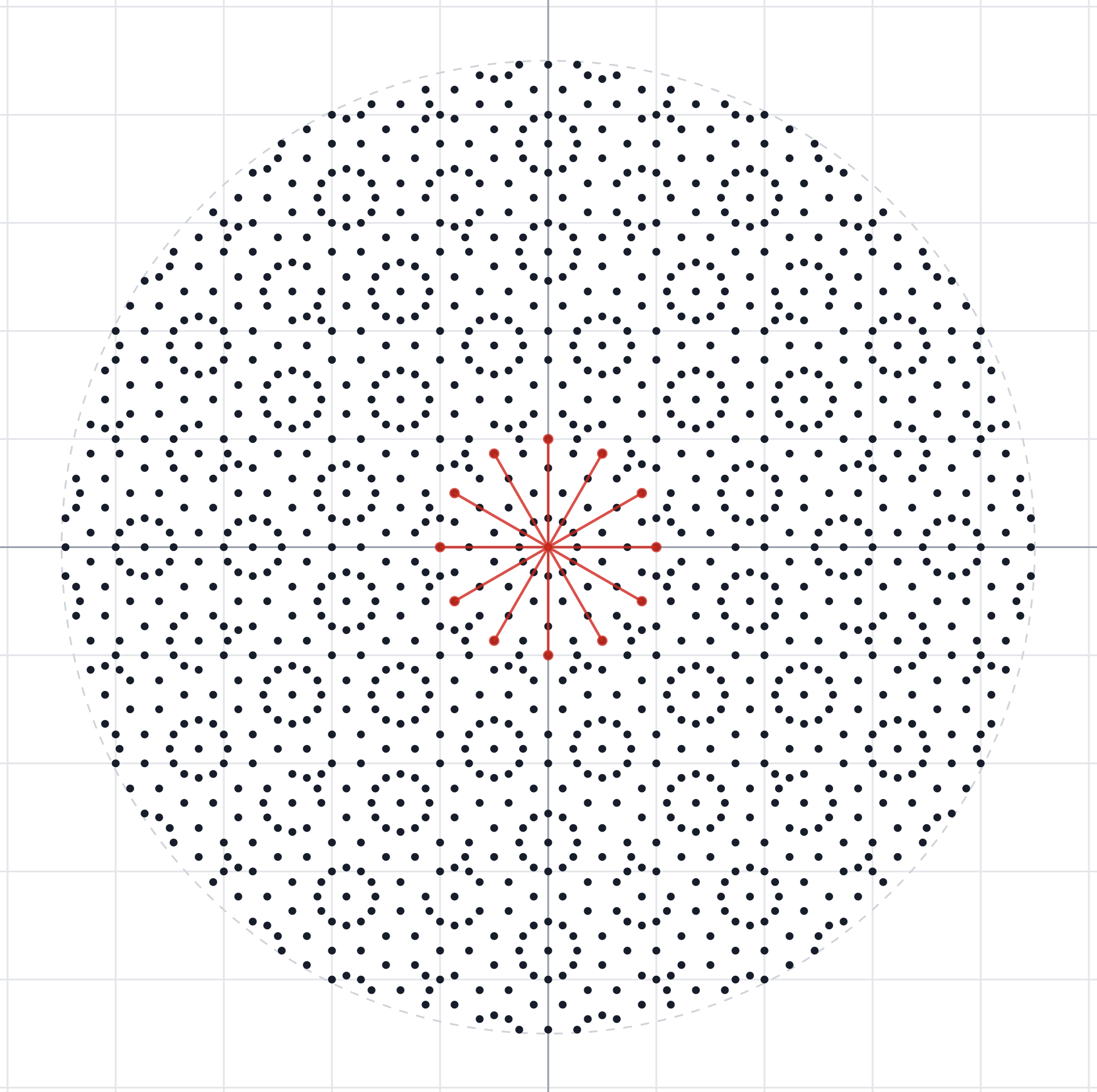
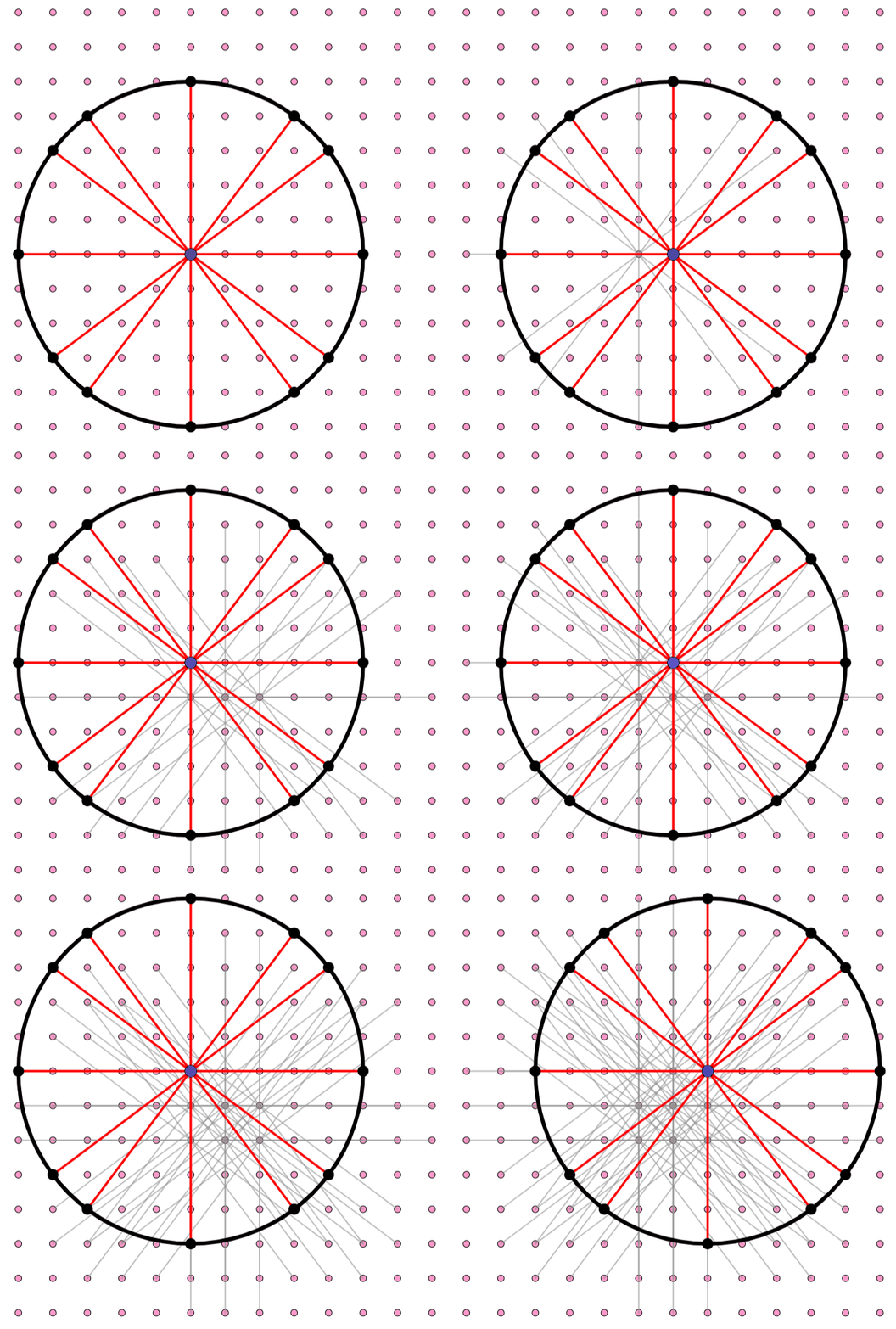
Paul Erdős, a famous mathematician, thought that the best way to arrange as many pairs of points as possible at the same distance from each other would be to use a regular grid, with the points spaced so that as many as possible fall onto circles. As you add more points, the number of pairs will increase, but only slightly, he conjectured.
An AI model found a more complicated way to arrange pairs of points so that their number actually grows at a larger rate.
Quotes
“It’s a beautiful piece of mathematics that has been discovered.” — Melanie Matchett Wood, Harvard
“This proof isn’t exactly the spark of genius that we see sometimes in mathematics… [the AI model] was able to use its really vast knowledge of all of mathematics to bring to bear very sophisticated tools… indeed those models are good at combining existing things and combining them very well.” — Sébastien Bubeck, OpenAI
“The best way that AI can be useful in research is to explore a thousand dead ends just to find this every-once-in-a-while connection that humans had missed.” — Thomas Bloom, University of Manchester
Geek out with me about the math
The fun part of writing this story for me was learning about the math problem. It’s actually simple enough for someone who hasn’t done any serious math since high school or college to understand! Read this excellent post for an explanation of the conjecture and the AI’s counterexample:

Kai Williams was kind enough to give me permission to use the graphics he created in my story.
Here is how Erdős arranged pairs of points so as many as possible are the same distance apart. He used a grid spaced so that as many points as possible fall onto circles:
The AI counter-example isn’t easy to visualize. But this graphic gets at the gist of it. The AI arranged points in a high-dimensional grid and then projected the arrangement onto a flat surface. This arrangement was created using that same approach: